Biological Wave · Leading the Future: Sobel PHI Plant Health Institute Sets Sail to Seize the Biotech Opportunity!
26 - May - 2026 By: SOBEL


PHI Plant Health Institute (China) focuses on the integration of industry, academia, and research in the field of abiotic stress. Over the next 3-5 years, the R&D pipeline will commercialize 30+ innovative products, addressing agricultural production challenges from five major plant stress perspectives. The institute is dedicated to researching plant growth-promoting and stress-resistant dsRNA interference technology, biosynthesis technologies for highly active biostimulants such as astaxanthin, and enzymatic hydrolysis and shearing technology for marine organisms. Within 1-3 years, 20+ differentiated innovative products will be launched, utilizing process technologies for highly bioactive organic acids such as humic acid, and new specialty fertilizer formulation technologies ranging from slow-release to drone application. The institute has established an industry-leading, efficient, and precise high-throughput bioassay system, with all products undergoing two-year, eight-location field trials, and 12 years of validation on experimental farms for crops such as grapes, bananas, and pitaya. This hardcore R&D capability is the biggest highlight of this conference.
On September 10, 2024, the inauguration ceremony of the PHI Plant Health Institute (China) and the Abiotic Stress Technology Seminar, themed "Biological Wave · Leading the Future," was held with great enthusiasm at the Xinghewan Hotel in Qingdao.
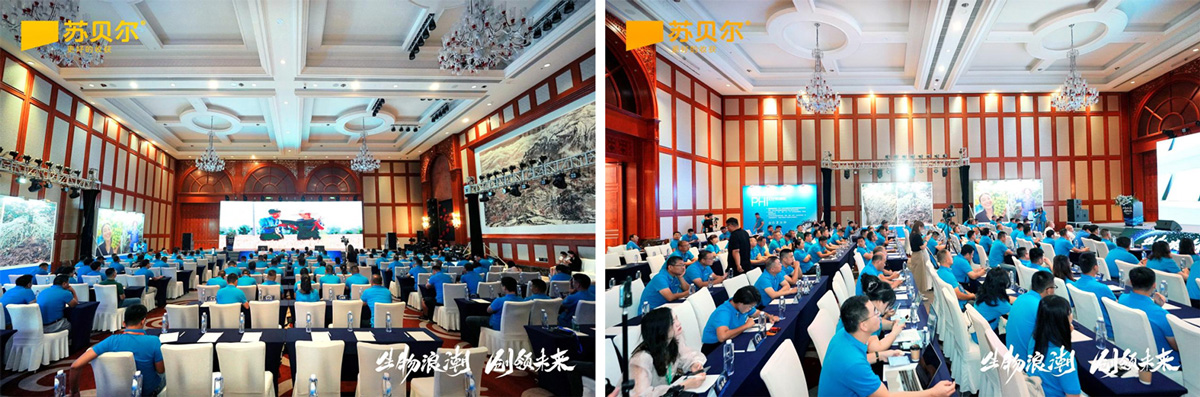
The event was attended by nearly 200 participants, including Dr. Liu Mengjie, Associate Professor at Qingdao Agricultural University, Master's Supervisor, and Provincial Science and Technology Commissioner; Zeng Qiupeng, Commercial Director of Biologicals for Corteva Greater China; Deng Zhigang, Third-party Product Introduction Manager for Bayer Crop Science; Tian Zhaozhuang, General Manager of COMPO GmbH China; Lin Zihai, President of Guangxi Jin Sui Agricultural Group; Lu Rongkai, Executive Vice President of Guangxi Jin Sui Agricultural Group; Liu Zhiqiang, Technical Director for South China of Rovensa Group; Lin Taili, Senior Marketing Advisor of Qingdao Sobel Crop Nutrition Co., Ltd;Gao Jun, General Manager of and Wan Taibin, Chairman of Qingdao Sobel Crop Nutrition Co., Ltd.; and nearly 200 core distributor partners from various provinces across the country. They gathered together to witness the launch of the PHI Plant Health Institute (China) and to appreciate cutting-edge technologies in crop stress and the application technology of GreatRoot.
Building Momentum for a New Chapter, Taking a Solid Step into the Field of Plant Health
Since its establishment in 2007, Sobel has been committed to providing high-quality crop nutrition products and solutions to customers and farmers. The inauguration of the PHI Plant Health Institute (China) marks another solid step forward for Sobel into the field of plant health.
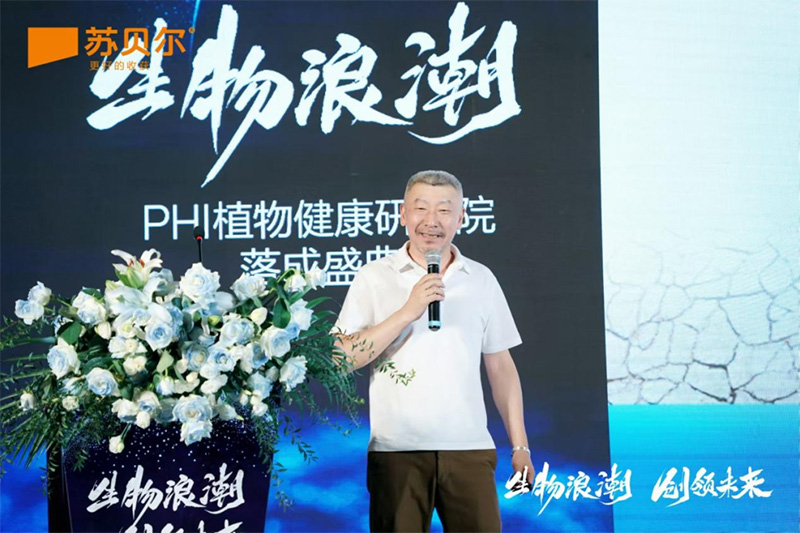
Wan Taibin, Chairman of Qingdao Sobel Crop Nutrition Co., Ltd.
Wan Taibin, Chairman of Qingdao Sobel Crop Nutrition Co., Ltd., delivered a speech elaborating on the original aspiration for establishing the PHI Plant Health Institute and the perseverance of an agricultural professional. The establishment of the R&D department went through a 5-year preparation period. They made the resolute investment to explore the unknown and uncertainty. Currently, PHI is divided into three groups: Chemistry, Biology, and Bioassay, with a team of over 100 people. The long-term plan for the PHI Plant Health Institute (China), which focuses on technology R&D and industrialization research in the abiotic stress field, is to expand the team to 500 people.
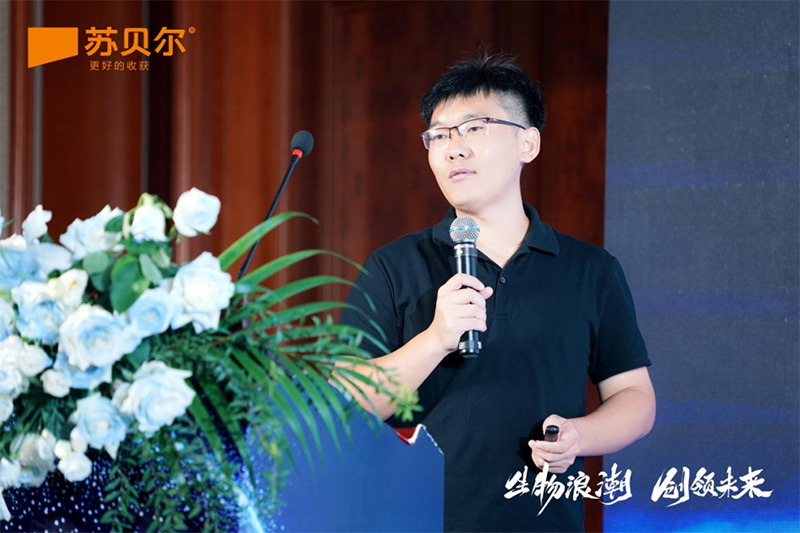
Dr. Liu Mengjie, Associate Professor at Qingdao Agricultural University, Master's Supervisor, Provincial Science and Technology Commissioner, and PHI Biology Department Partner Supervisor
Dr. Liu Mengjie introduced dsRNA technology, one of the three core projects of the PHI Biology Department. This project aims to enhance plant tolerance to stresses such as low temperature and salt stress through RNA interference technology. By designing double-stranded RNA targeting negative regulatory factors in plant stress responses, the institute hopes to develop a new generation of plant stress resistance strategies. The project has screened multiple genes as potential targets and is currently conducting RNA design and efficacy evaluation. Furthermore, the institute plans to explore different RNA delivery methods to improve their stability and efficiency in plants.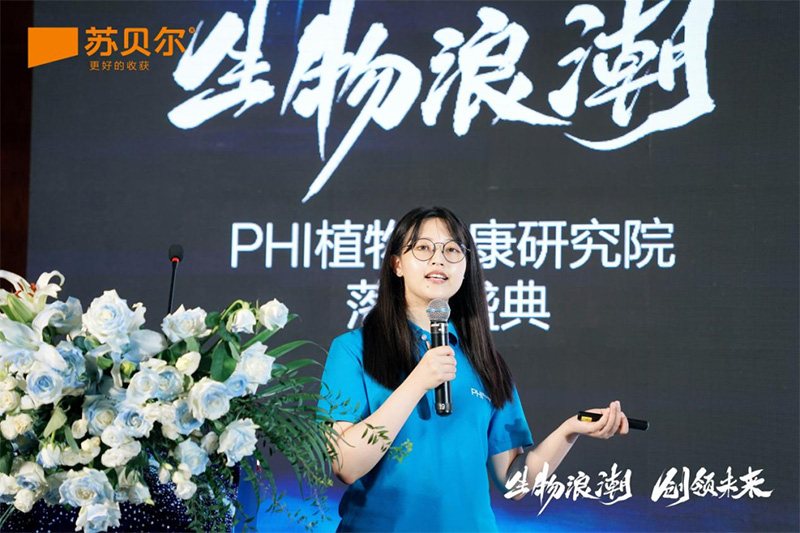
Dr. Wu Zuodong, R&D Engineer of the PHI Biology Department
Dr. Wu Zuodong introduced synthetic biology technology, the second of the three core projects of the PHI Biology Department. The PHI Biology team is using synthetic biology methods to develop known plant biostimulant product lines, including astaxanthin, ergothioneine, myricetin, quercetin, and kaempferol. Guided by synthetic biology, they aim to activate silent gene clusters to discover new plant biostimulants and other active substances for combating abiotic and biotic stress.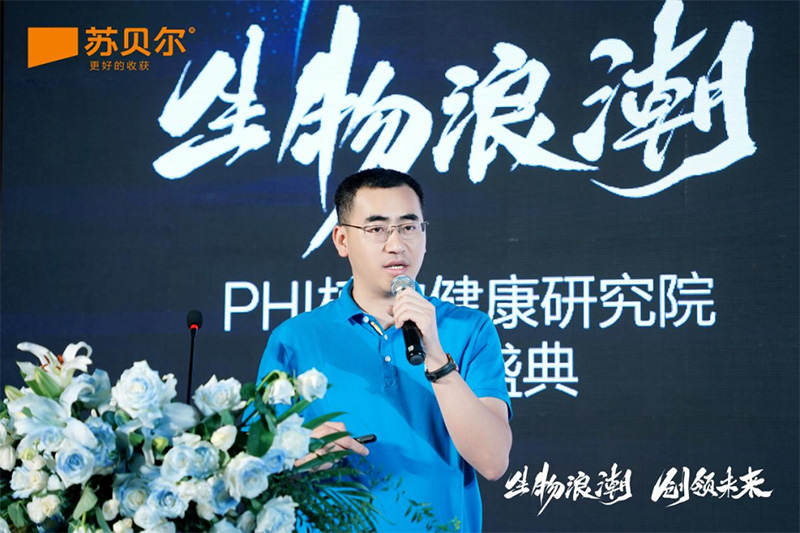
Dr. Ma Xin, Chief R&D Engineer of the PHI Biology Department
Dr. Ma Xin introduced target enzymatic hydrolysis and shearing technology, the third of the three core projects of the PHI Biology Department. Target enzymatic hydrolysis technology utilizes the specificity of enzymes to regulate the activity of different enzyme types, hydrolyzing substrates to maximize the yield of specified enzymatic products. The PHI Biology team is conducting in-depth research and exploration into target enzymatic hydrolysis technology for highly active seaweed oligosaccharides and highly active bio-oligopeptides.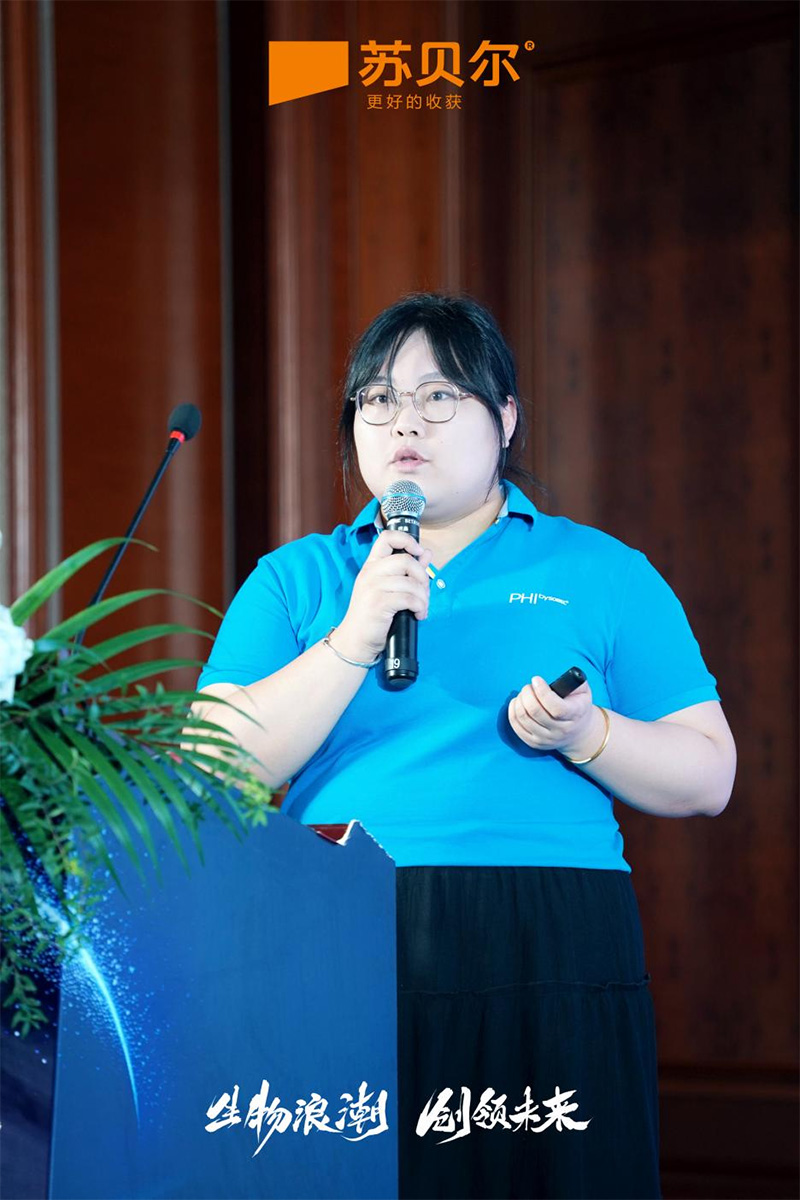
Hao Feifei, R&D Engineer of the PHI Chemistry Department
Hao Feifei, using humic acid as an example, introduced the PHI Institute's research on highly bioactive organic acids. In the first phase, the PHI Chemistry Department focuses on studying the application and mechanisms of three main raw materials—humic acid, alginic acid, and amino acids—concerning plant biotic and abiotic stress, while also researching other small molecule acids. The second phase involves research on the application and mechanisms of mono-, di-, and multi-component small molecule acids in plant health and stress resistance. The third phase focuses on synthesizing organic acids using microbiological and chemical methods.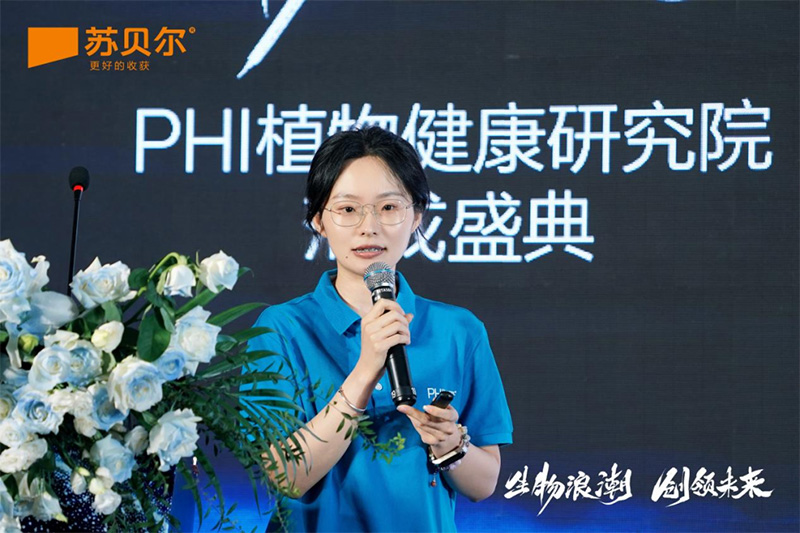
Liu Yan, R&D Engineer of the PHI Chemistry Department
Liu Yan shared insights on the application of small-molecule humic acid in fertilizer formulation research. The PHI Chemistry Department aims to create a convenient, efficient, environmentally friendly, and labor-saving fertilization system for farmers. Future work will focus on eight major directions in the application of small-molecule humic acid, utilizing various formulations and advanced equipment to select optimal products.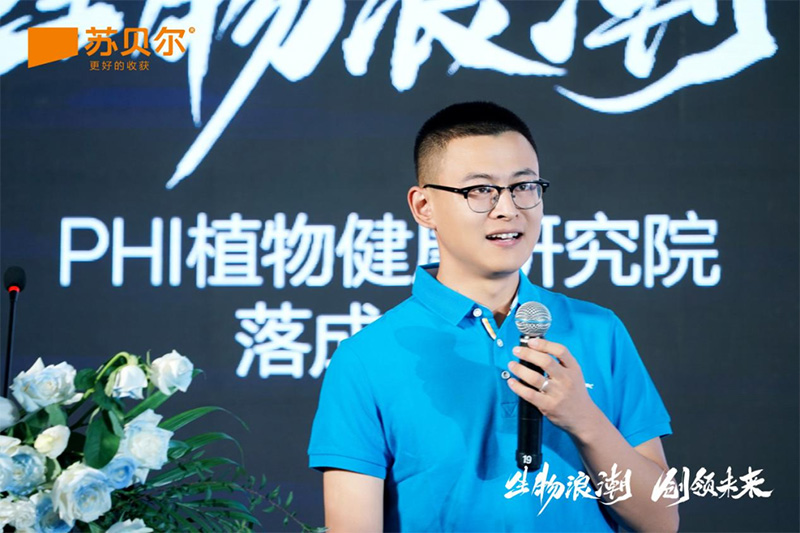
Dr. Qian Jiaqi, R&D Engineer of the PHI Bioassay Department
Dr. Qian Jiaqi shared insights on the screening system of the PHI Bioassay Department. Currently, the PHI Bioassay Department consists of four parts: indoor lab, greenhouse, field trial team, and experimental farms, with 115 people in total. High-throughput bioassay integrates multiple technologies including molecular biology, cell biology, computer science, and automation control to achieve miniaturization, automation, and scaling of substance testing for rapid and efficient screening.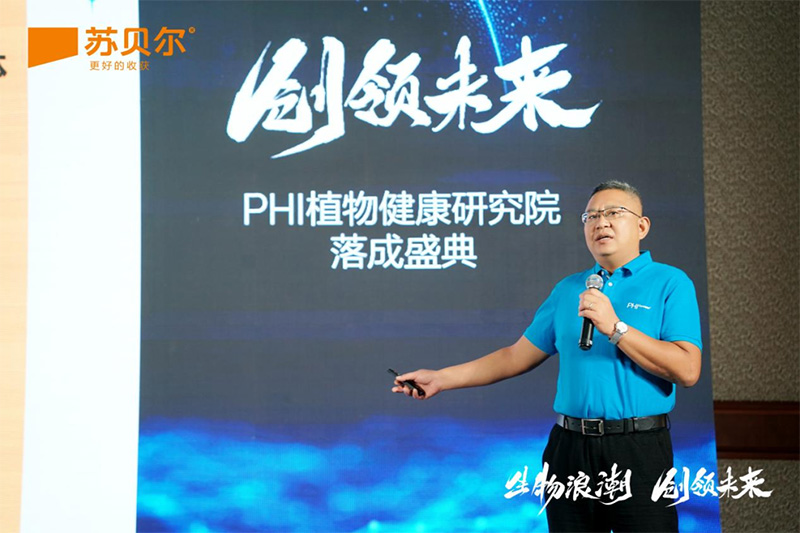
Zhou Yongqiang, Branch Manager of Guangxi Sobel
Zhou Yongqiang stated that experimental farms serve as a bridge to validate the transformation of scientific research results into productive forces, sustaining research through practice. Sobel successively established banana water-fertilizer integration experimental stations in Guangxi, Guangdong, Fujian, and Hainan from 2011 to 2022. These farms conduct systematic experimental summaries annually, providing theoretical basis and scientific practical support for Sobel's new products and technologies.
Believing Through Seeing: On-site Verification of R&D Strength
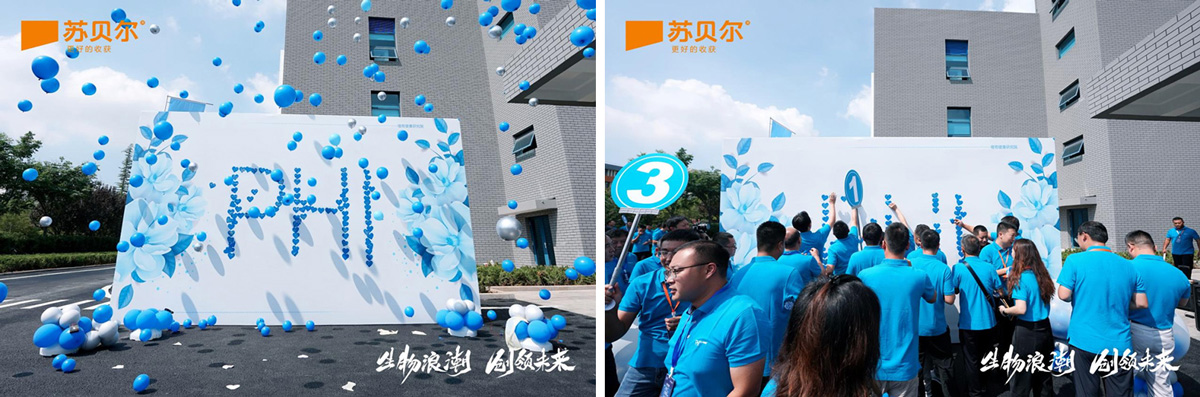
What is the true hardcore strength of the newly inaugurated Sobel PHI Plant Health Institute? Attendees visited the PHI Institute to witness the inauguration ceremony and conducted on-site tours of the R&D centers for the Chemistry, Biology, and Bioassay departments, as well as the greenhouse.
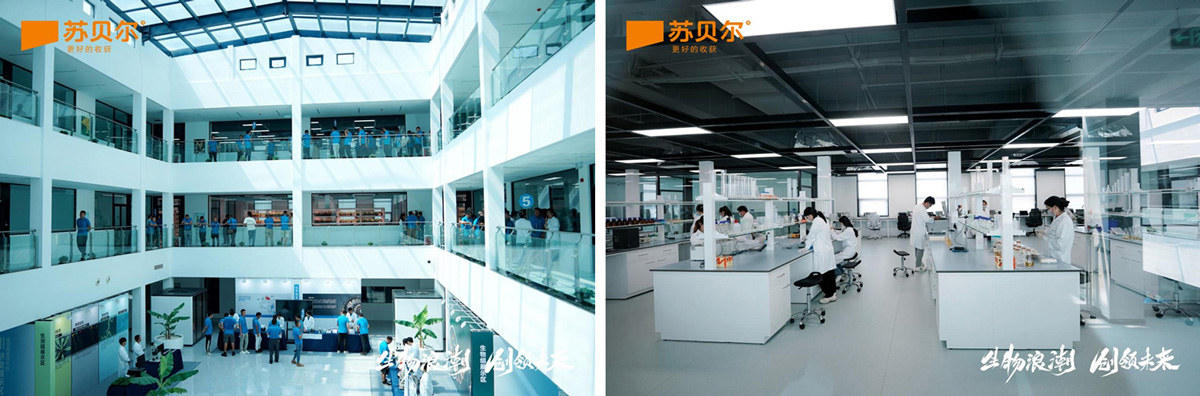
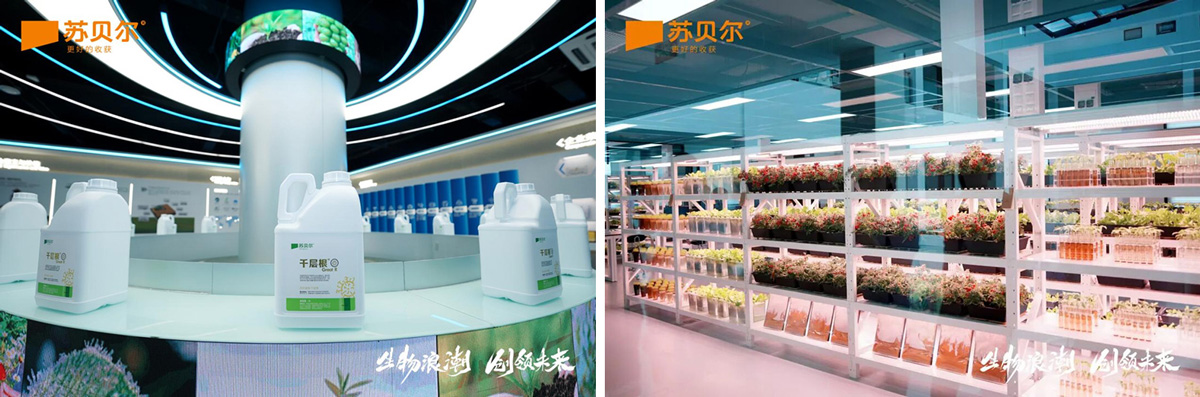
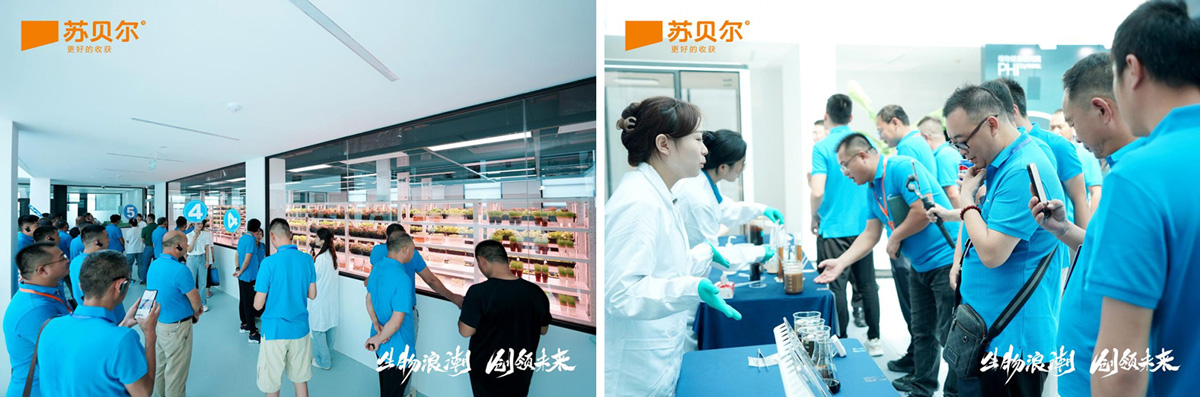
Seizing the Opportunity of the Biological Wave, Leading the Future
Biostimulants are increasingly becoming a focal point for domestic and international companies seeking new growth avenues to break through competition. The establishment of the Sobel PHI Institute at this time holds profound significance for China's specialty fertilizer industry and is bound to boost the development of biologicals in China. A high-level panel discussion featuring global leaders in biostimulants was also held during the conference.
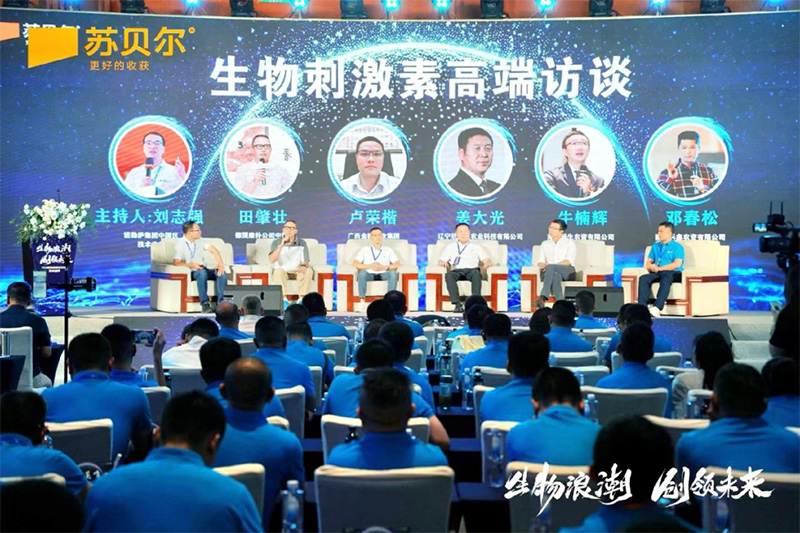
Liu Zhiqiang, Technical Manager for South China of Rovensa Group; Tian Zhaozhuang, General Manager of COMPO GmbH China; Lu Rongkai, Executive Vice President of Guangxi Jin Sui Agricultural Group; Jiang Daguang, Chairman of Liaoning Xindaguang Agricultural Technology Co., Ltd.; Niu Nanhui, Chairman of Hainan Lysheng Agricultural Materials Co., Ltd.; and Deng Chunsong, Chairman of Fuzhou Hexin Agricultural Materials Co., Ltd., shared their professional insights. They unanimously agreed that biostimulants can promote crop growth and quality improvement in multiple ways, not only enhancing plant stress resistance but also promoting nutrient absorption and metabolism, improving fertilizer utilization efficiency, thereby increasing crop yield. Furthermore, they can improve the quality of agricultural products, holding immense potential in China. The establishment of the PHI Institute at this opportune moment has a positive invigorating effect on the domestic specialty fertilizer industry. They hope the institute will provide customers and farmers with superior differentiated products and scientific solutions like GreatRoot in the future.
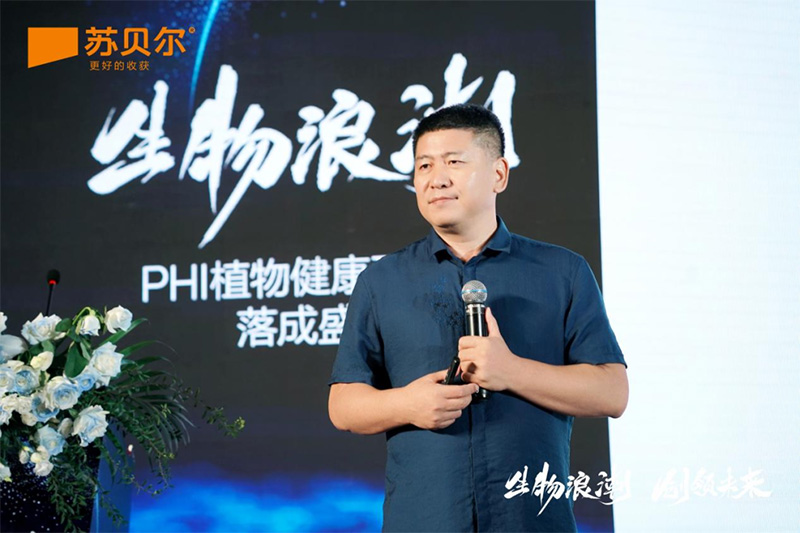
Gao Jun, General Manager of Qingdao Sobel Crop Nutrition Co., Ltd.
Gao Jun revealed that the PHI Institute focuses its research on the interaction between plant growth, development, and stress responses, aiming to enhance plants' ability to adapt to and recover from mild to moderate stress conditions. The strategic flagship product, GreatRoot, is a representative biostimulant specialty fertilizer. It utilizes Black Chain Technology to link polysaccharides, oligosaccharides, polypeptides, and small peptides to resist high and low temperatures. PHI's target enzymatic hydrolysis technology can produce more targeted oligosaccharides, which are linked into GreatRoot via Black Chain Technology to increase plant stress resistance. It can also produce more specific oligopeptides related to color change, which are added to Red Fairy to enhance its color-change effect.
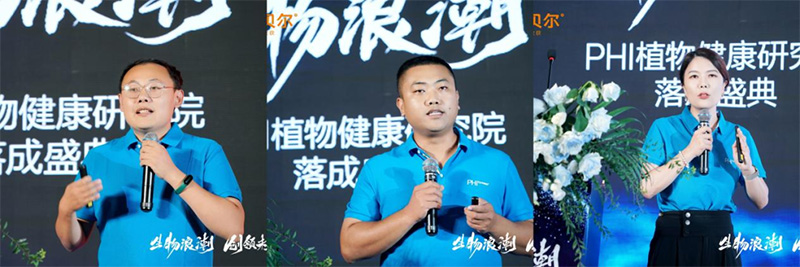
Ge Xinwei, Product Manager for GreatRoot, Sobel Marketing Department; Shen Tongfang, Head of New Media, Qingdao Xingji; Gong Yingchun, Head of Marketing Department, Qingdao Sobel
Ge Xinwei, Shen Tongfang, and Gong Yingchun also delivered detailed presentations on the GreatRoot product and its application technology, new media operations for GreatRoot, and channel management, respectively.
United Towards a Shared Future, Achieving Win-Win Symbiosis
How far one can go depends on who they walk with. As Sobel navigates the national market, GreatRoot has rapidly grown into a phenomenal blockbuster product, repeatedly achieving outstanding results. Behind building this brand momentum is the crucial support of numerous excellent distributors. They represent the flexible antennae and main arteries for the last mile of GreatRoot's on-the-ground promotion. Thanks to their consistent dedication, the remarkable sales performance and success of GreatRoot have been achieved.
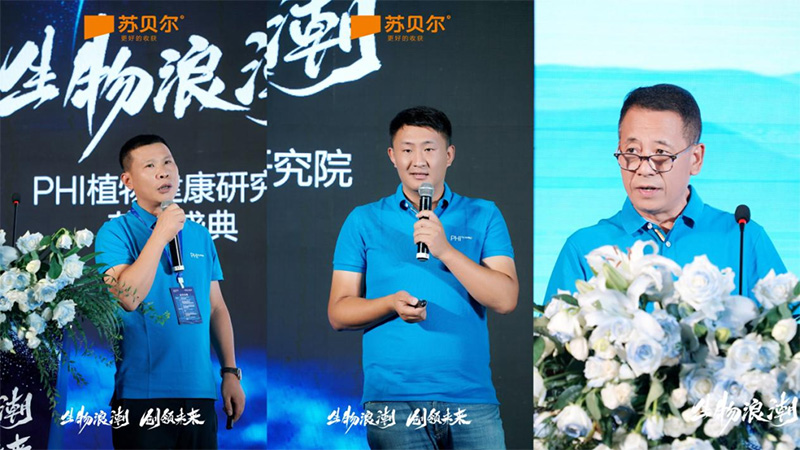
Li Jiawei, General Manager of Liangshan Jiawei Agricultural Materials Co., Ltd.; Hu Cen, General Manager of Zhangjiakou Nongzhilian; Liu Yuanqiang, Chairman of Qingzhou Zhongjia Agricultural Production Materials Co., Ltd.
Li Jiawei stated that as long-time comrades-in-arms with Sobel, the inauguration of the PHI Institute will bring new innovative impetus to their partnership. They will continue to explore the value of blockbuster products like GreatRoot and strive for further sales success. Hu Cen mentioned that they have redefined GreatRoot. Based on a blockbuster product development model encompassing "Heaven" (new media communication, customer acquisition, traffic generation), "Earth" (field application, demonstration plots, customer experience), and "People" (customer referrals, user-generated new customer acquisition), they continue to achieve explosive success with GreatRoot on potatoes in Zhangjiakou. Concurrently, GreatRoot has brought them exponential growth in overall sales volume, an increase in new customers, and driven growth in cooperation on other products. Liu Yuanqiang, during 14 years of cooperation, has deeply felt Sobel's support, professional spirit, and innovative capability. The inauguration of the PHI Institute is encouraging for all partners. He looks forward to deeper cooperation with the institute and hopes it will achieve more breakthrough results in future scientific research, jointly promoting sustainable agricultural development.
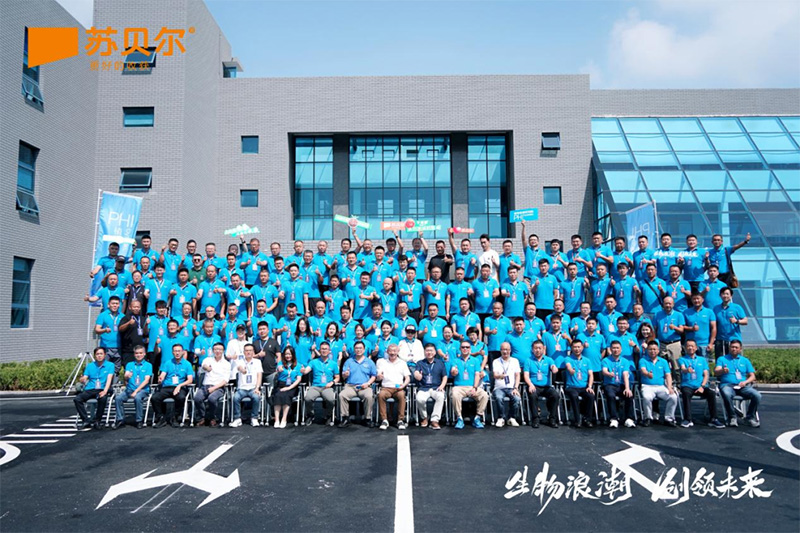
Hundreds of boats vie, and the one who rows hardest leads. A new starting point, a new journey, a new future. We believe the inauguration of the PHI Plant Health Institute will undoubtedly provide Sobel with wings for another leap forward, continuing to shine brilliantly and unstoppably on the biotech track!